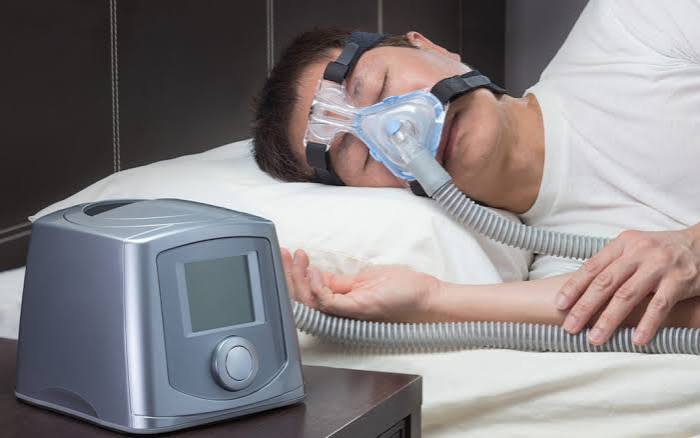
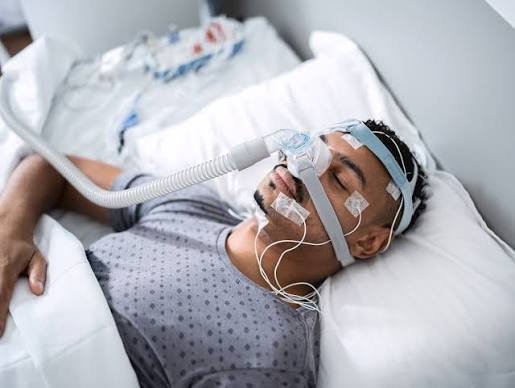
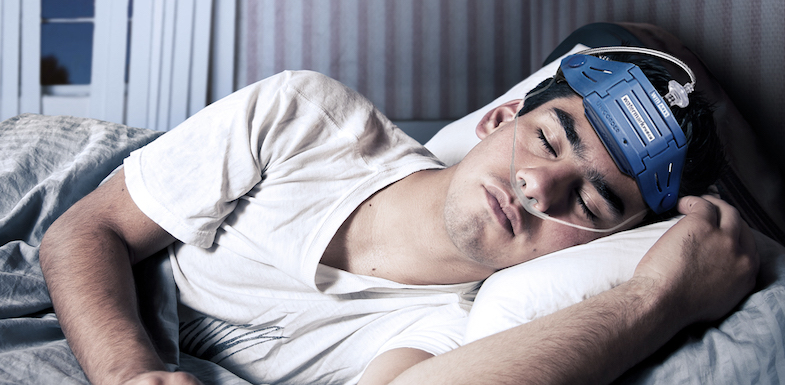
Anyone who has had a bad night’s sleep knows how tired and unfocused they can feel the next day. With sleep apnea, this can happen again and again, night after night, sometimes for months or years. Many people don’t realize that sleep apnea is the reason they feel tired, have trouble focusing, or don’t feel rested after sleeping.
If left untreated, sleep apnea can affect your health in different ways, including:
Higher risk of high blood pressure, heart disease, and stroke
Increased risk of developing type 2 diabetes
Weight gain and difficulty losing weight
Problems with memory, focus, and concentration
More daytime sleepiness which can increase the risk of drowsy driving and workplace accidents
Untreated sleep apnea can also affect your overall health and quality of life over time. That’s why it’s important to recognize the signs, get tested when needed, and talk with a healthcare provider about the right treatment. Sleep apnea is not just about feeling tired during the day, it can have a lasting effect on your health.
Signs You May Have Sleep Apnea
Sleep apnea happens while you’re sleeping, so it can be hard to notice the signs yourself. Many people don’t realize they have a problem and think their symptoms are caused by stress, getting older, or simply not getting enough rest. In some cases, a partner or family member notices the signs before you do. Some common signs and symptoms of sleep apnea include:
Loud or frequent snoring
Pauses in breathing while you sleep, especially when noticed by a partner
Waking up gasping or choking
Feeling very tired or sleepy during the day, even after getting a full night’s sleep
Waking up several times during the night to urinate
Feeling tired or unrefreshed when you wake up, even after sleeping for several hours
Waking up with a dry mouth or sore throat
Morning headaches
Unexplained weight gain or difficulty losing weight
Feeling more irritable or experiencing changes in mood
Trouble concentrating, focusing, or remembering things
You don’t need to have every symptom to be at risk for sleep apnea. If some of these signs sound familiar, it’s worth talking with your healthcare provider or considering a sleep apnea screening or home sleep test. Getting tested can help you understand what’s affecting your sleep instead of simply guessing.
Yes. The good news is that sleep apnea can be treated and there are different treatment options depending on the type of sleep apnea and your individual needs. With the right diagnosis and treatment, many people notice improvements in their energy, focus, mood, and overall sleep.
Treating sleep apnea can also help reduce some of the health risks linked to untreated sleep apnea. The first step is not trying to choose a treatment on your own. It is getting an accurate diagnosis through proper sleep testing and having your results reviewed by a qualified sleep physician.
What Happens If You Wait?
Sleep apnea usually does not go away on its own. For many people, the symptoms can continue or become worse over time if the underlying cause is not addressed. The good news is that getting tested is easier and more comfortable than many people expect. A simple home sleep test can help you find out what is happening while you sleep and give you a clear answer that you and your healthcare provider can use to decide on the next steps.
Book An Appointment
Ready to Improve Your Sleep?
Book your home sleep test today and discover a convenient and comfortable way to diagnose sleep disorders without an overnight lab stay.